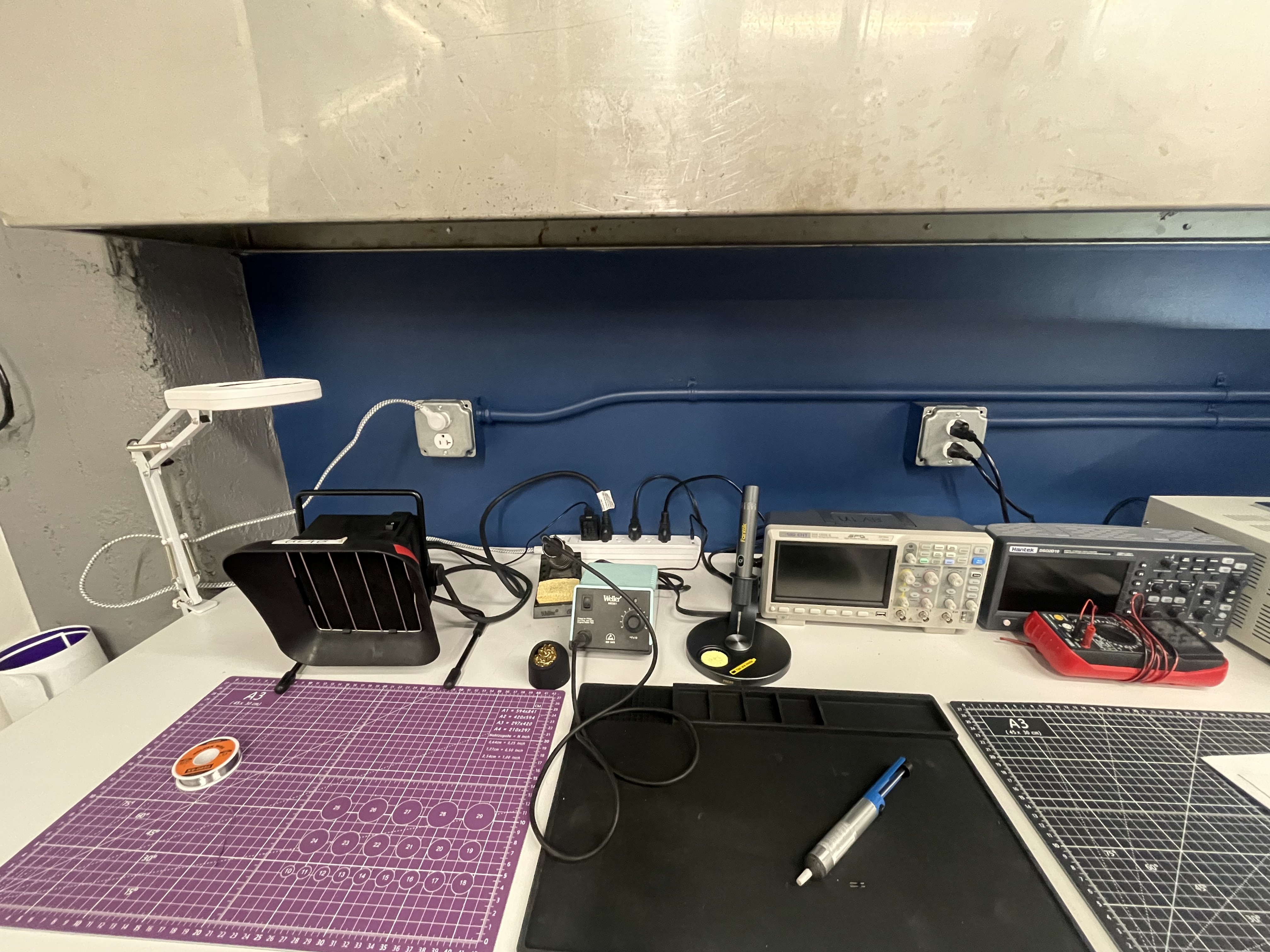
Soldering Station
*Health Hazards
- Soldering involves contact with lead. Please wash your hands after handling leaded solder. Avoid eating or drinking.
- Soldering produces fumes that can be harmful if inhaled in large quantities. Use fume extractors or work in a well-ventilated area.
- The soldering iron tip is extremely hot (up to 400°C). Be cautious to avoid burns. Always place the soldering iron in its stand when not in use.
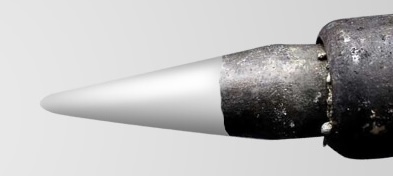
| Good | Bad | Fix |
|---|---|---|
 |
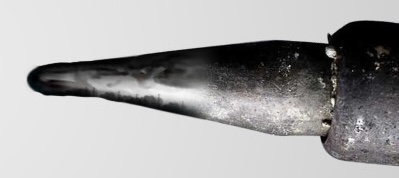 |
Clean tip regularly with tin tip, damp sponge, or brass sponge |
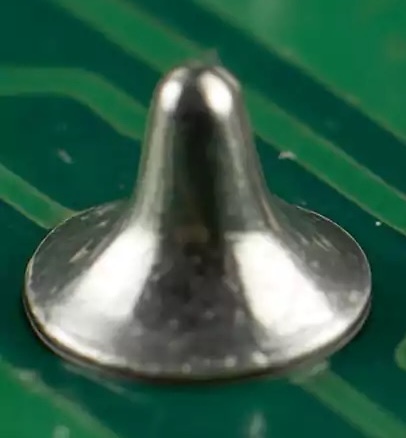 Shiny, clean, and smooth |
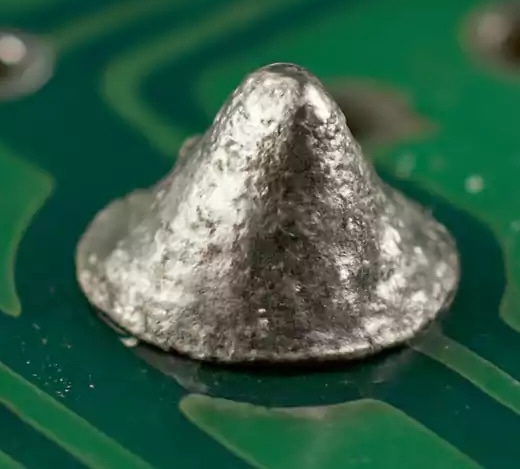 Dull, gray, frosty, cold joints |
Add flux, reheat, maybe some solder |
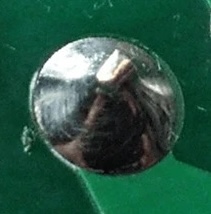 Concave fillets (cone-shaped) |
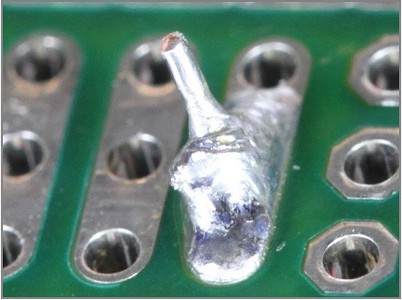 Irregular-shaped joints |
Reheat, add flux |
| 100% coverage of the joint, with solder flowing into the through-hole. | 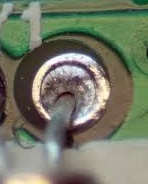 Too little leaves exposed copper 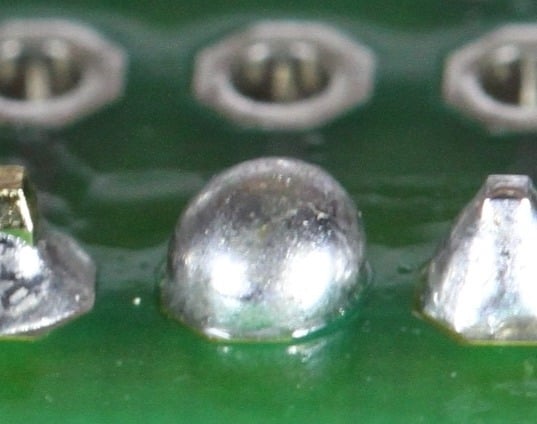 Too much solder creates a “blob” |
Add or remove solder as necessary |
| No flux residue | 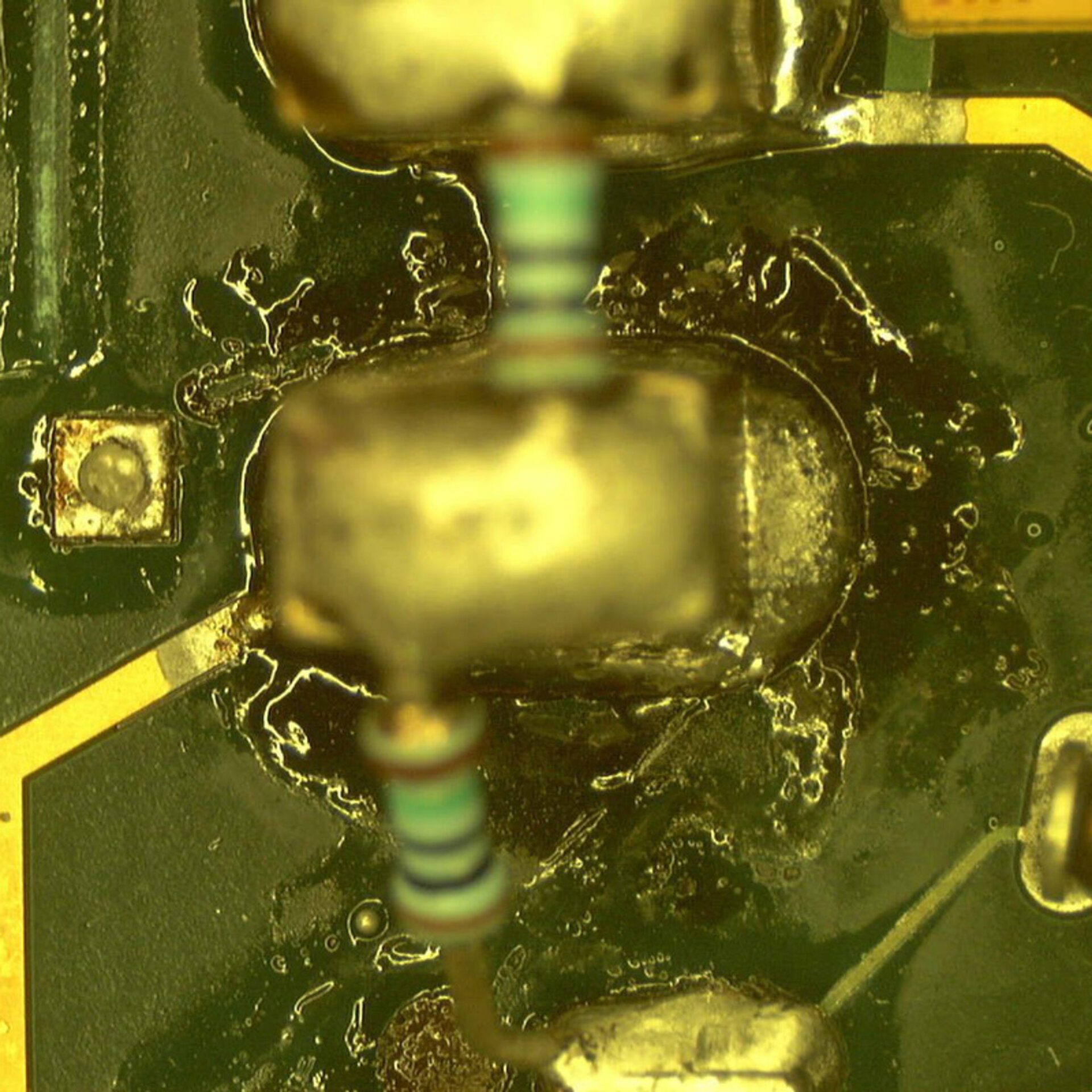 Excess flux residue |
Clean with 95%+ isopropyl alcohol and a brush |
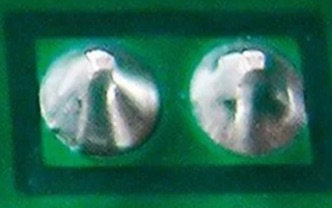 No bridging |
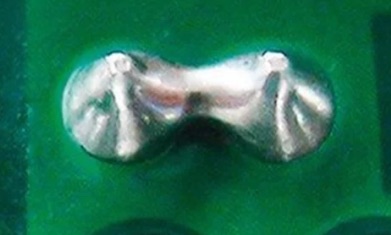 Solder bridges between adjacent pads |
Use desoldering braid or a solder sucker to remove excess solder |
Keep the soldering iron tip clean and shiny
Using a brass sponge or damp sponge, regularly clean the soldering iron tip to remove oxidation and old solder.
If something is hard to solder or taking too long, the tip is probably dirty.
Use flux
Flux helps clean the surfaces to be soldered, improves wetting, and prevents oxidation during solder
Rosin-core solder has flux built-in, but additional flux can be applied for better results.